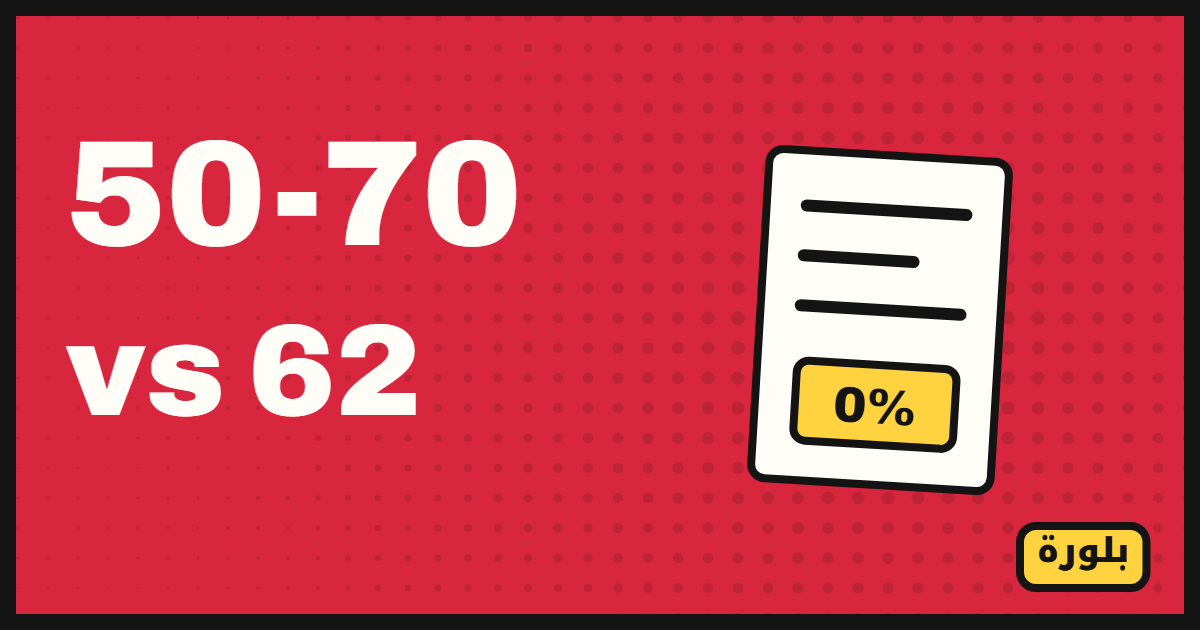
Capping diesel: the bill ran from 50 to 70 billion, two days later it's just 70
The government says a cap isn't on the agenda and sets its cost against the 62 billion for purchasing power. The smaller number got lost on the way.
The news
Government spokesperson Samir Belfkih said on Thursday 5 November 2026, at the press briefing after the Government Council, that capping fuel prices and distributors' margins is not on the agenda. He said such a measure would amount to bringing back the subsidy system, at a cost of nearly 70 billion dirhams, more than the 62 billion set aside to protect purchasing power in the 2027 finance bill.
Two days earlier, on 3 November, Economy and Finance Minister Fouzi Lekjaa told the House of Representatives' finance committee that a return to general subsidies would cost between 50 and 70 billion dirhams a year, that the money would be better spent on hospitals and public services, and that the old system benefited higher-income groups more than modest households.
MPs from the Left Alliance had called for a price cap, and MPs from the PJD for a margin cap. Lekjaa said scrapping the domestic consumption tax would cut the price by only about 1.20 dirhams a litre, and set out three priorities: completing the conditions for competition, building up storage capacity and considering a separation of import and distribution. As for a cut in VAT or the consumption tax, Belfkih mentioned it as a proposal, with no commitment from the government.
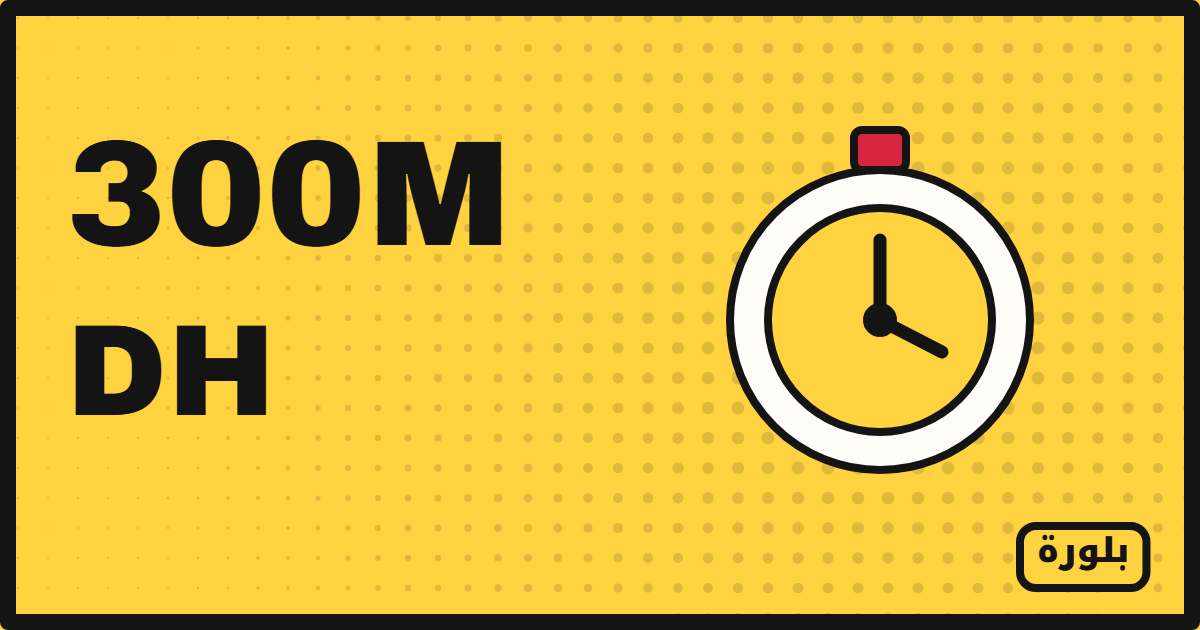
Since 1 November, diesel has risen by up to one dirham a litre depending on the station and is close to 17 dirhams. The government is counting on falling international prices. Transport Minister Abdessamad Kayouh announced that aid to transport operators will be paid every 15 days instead of monthly, with 400 million dirhams for about 200,000 vehicles for the first half of November.
The news site Alyaoum24 notes that capping margins, setting a maximum price and subsidising are three different mechanisms, and that the 70 billion estimate covers only a return to subsidies.
A defensible decision and a real cost. The balwara: a range reduced to its ceiling, and a margin billed at the price of a subsidy.
The commentary
Satirical opinion from the editorsOn Tuesday, the bill ran from 50 to 70 billion. On Thursday, only 70 was left. Simple arithmetic: 70 is above 62, and 50 is below it. The smaller number didn't make it to the briefing, and the top of the range handled the comparison alone.
The distributor's margin ended up on the same bill as the subsidy, though one measures what the distributor earns and the other what the state pays. To be fair: general subsidies were expensive, Lekjaa's argument makes sense, and transport aid now comes every fortnight. Meanwhile the citizen faces 17 dirhams, the government faces 70 billion, and both are watching Brent.